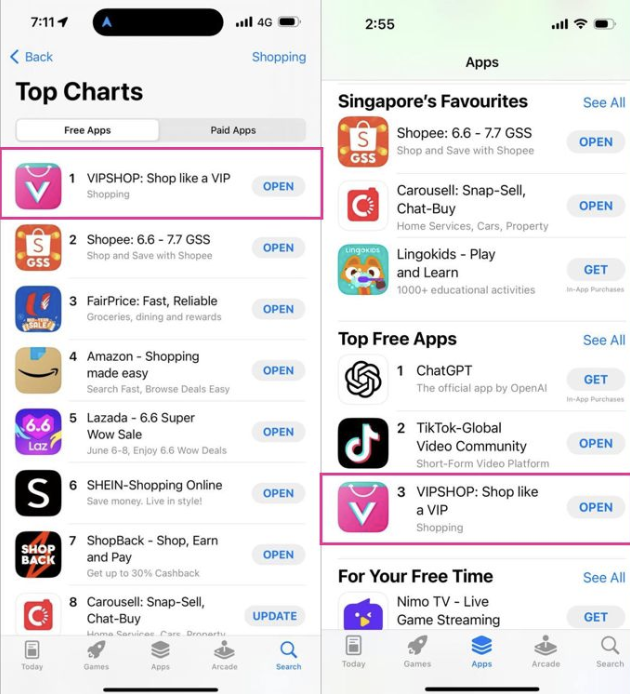
An unknown Chinese e-commerce app with no brand trust, no tracking, and no roadmap. Six months later, it was #1 shopping app and top 3 overall — charting alongside ChatGPT and TikTok.
Vipshop — one of China's largest online discount retailers — launched in Singapore with premium brands at flash-sale prices. But nobody had heard of them. No tracking infrastructure. No benchmarks for this industry. No clear roadmap for TikTok success. The name of the game for the first 6 months was traffic and app installs.
No benchmarks, no gauge for success, no idea what creator style or content angle would work. Starting from a blank sheet in an uncharted market.
Red tape with global HQ meant no pixel, no conversion tracking. Flying blind on what was actually working while the business demanded results.
Brand new to the market. No remarketing audiences, no lookalikes, no historical data to build on. Every campaign launched cold.
Unsure which KOL style would resonate — macro vs micro, product-focused vs storytelling. Every creative decision was a hypothesis without data to validate it.
Test KOL content against CTR to find what leads to long-term acquisition success. Double down on what works: high CTR, high engagement, high coupon redemption. Kill what doesn't.
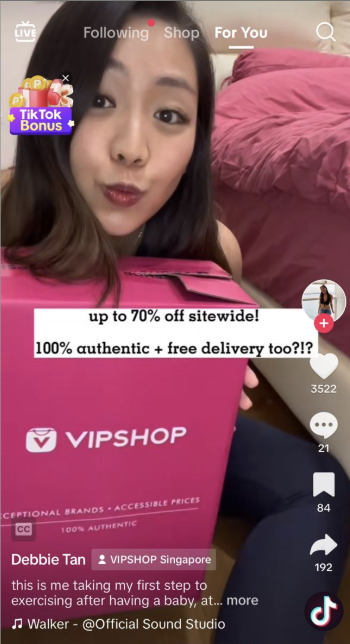
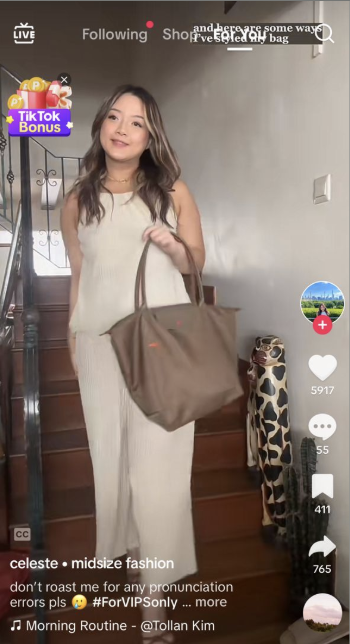
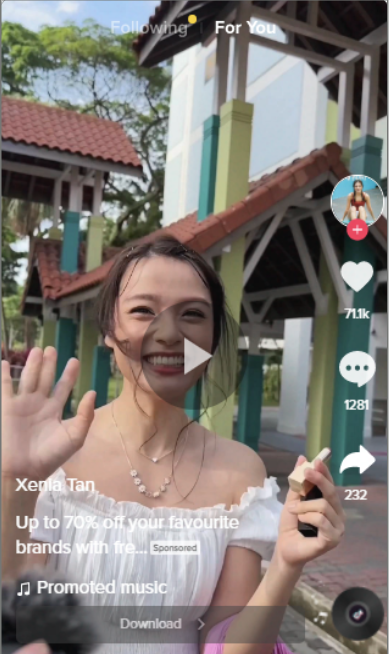
6,000-follower micro KOL with storytelling content beat 39,000-follower macro KOL on product content. Highest CTR came from authenticity, not reach.
Shifting from video views to LPV to app install objectives captured users at every stage. 27M video views fed 1.6M unique users into the funnel.
TikTok-winning content repurposed to Meta and Google UAC drove 17K installs and 2.9K add-to-carts without proportionally scaling creative spend.
Hit #1 shopping app and top 3 overall free app in Singapore's iOS App Store in under 6 months — charting alongside ChatGPT and TikTok.
A 6K-follower micro KOL storyteller outperformed a 39K macro KOL on product content. The audience responded to genuine stories about the app, not polished product shots.
With no industry precedent for TikTok KOL performance in SG e-commerce, hypothesis testing created proprietary knowledge that competitors can't replicate.
When tracking wasn't available, CTR and engagement rate predicted long-term acquisition success. Trust the signals while building the infrastructure.
Q4 brand investment made every subsequent conversion campaign more efficient. CPI dropped, marketing efficiency doubled, and even during December downspend, returning orders remained strong.
What started as hypothesis testing on TikTok became a replicable content strategy. The winning KOL formula — micro storytellers over macro product — became the operating playbook.
Vipshop didn't just become the top shopping app. It charted in the top 3 overall — alongside ChatGPT and TikTok. An unknown Chinese app, competing with the biggest names in tech.
Even during December budget downspend, returning orders remained strong. The brand trust built through KOL content and awareness campaigns created a self-sustaining flywheel.
Vipshop — one of China's largest online discount retailers — launched in Singapore with an ambitious goal: become the leading flash-sale destination for premium brands. The problem was that nobody in Singapore had heard of them. The market entry was a blank slate in every sense. No brand recognition, no tracking pixel, no pixel data, no remarketing audiences, no industry benchmarks for TikTok performance in this category. The global HQ's compliance requirements delayed the tracking setup, meaning the first months of activity had to rely entirely on leading indicators rather than conversion data. There was also a fundamental creative uncertainty: what kind of KOL content would resonate with a Singaporean audience for a Chinese app offering luxury-brand discounts? Macro creators with large followings, or micro creators with authentic storytelling?
Kaliber designed a hypothesis-driven testing engine rather than a conventional media plan. The core insight was that with no benchmarks, the fastest path to winning was systematic experimentation. We ran A/B tests across KOL types — micro vs macro, product-focused vs storytelling formats — using CTR, engagement rate, and coupon redemption as proxy metrics while conversion tracking was being resolved with HQ. The results were definitive: a 6,000-follower micro KOL using authentic storytelling outperformed a 39,000-follower macro KOL on product content. Authenticity beat reach by every measurable signal. We then built a sequential objective framework: video view campaigns first to build audience pools, then landing page view campaigns to deepen engagement, then app install campaigns to convert. This layered funnel allowed each stage to feed the next. Winning TikTok content was repurposed across Meta and Google UAC — proven creative amplified across platforms without proportional creative cost increases. Once tracking came online in Q2, we shifted to conversion-focused campaigns, restructured around add-to-cart objectives, and accelerated the brand-building investment in Q4 to create long-term trust.
In under six months, Vipshop reached #1 in the Singapore iOS App Store's shopping category — and top 3 overall free app, charting alongside ChatGPT and TikTok. The campaign generated 27 million video views, 1.6 million unique users, and 17,000 app installs. The cost per install dropped consistently month-over-month across all channels as the funnel matured: Meta iOS dropped from $4.25 in August to $2.82 in November; TikTok retargeting Android fell from $8.84 to $2.80 over the same period. The Q4 brand investment created a compounding effect — even when December spend was pulled back, returning orders held strong. The hypothesis engine didn't just win the campaign. It created a playbook that competitors couldn't copy.